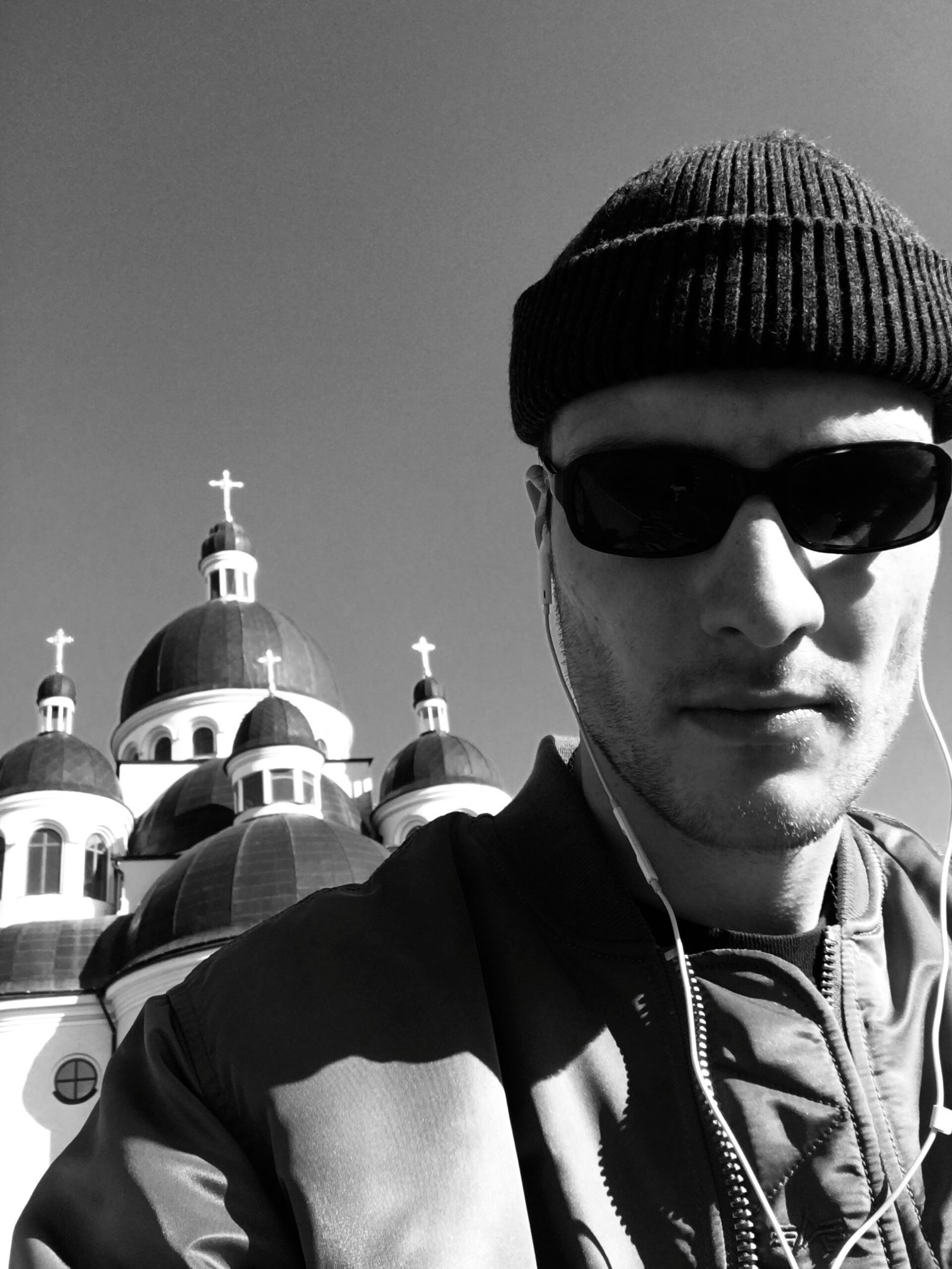

There’s a certain clarity in the way Michael Morra approaches sound — reduced, focused, and guided by instinct rather than expectation. Working outside of DJ conventions, his process is rooted in internal balance, where silence and intensity are not opposites but part of the same movement.
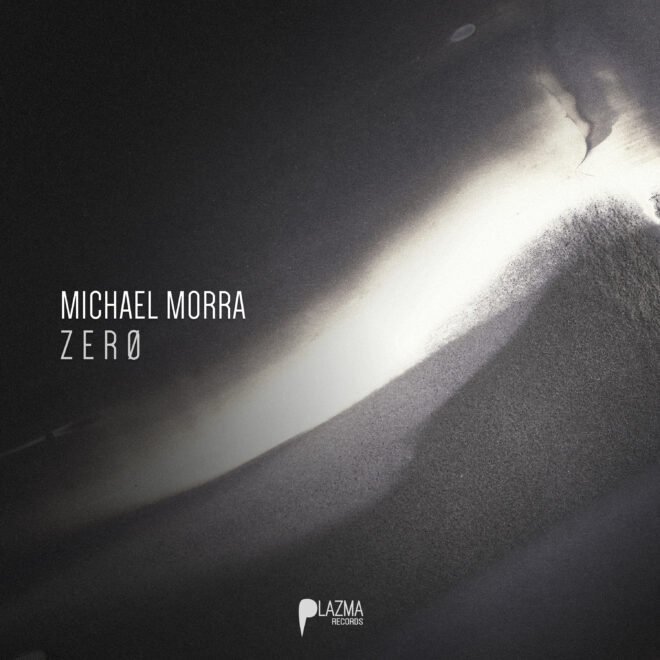
With his debut EP ZERØ on Plazma Records, he introduces a sound shaped through subtraction — stripping away the unnecessary to reach a state of precision and control. What emerges is a hypnotic flow that sits between motion and stillness, where rhythm drives forward but the mind remains steady.
In this conversation, Michael reflects on the foundations that shaped him — from early exposure to Chicago and Detroit sounds to defining moments on the dancefloor — and on the decision to step away from a former alias into something more direct and personal. He speaks about intuition, discipline, and the importance of trusting an internal process, even when it leads away from established paths.
If you’re interested in what happens when techno is approached as a balance between silence and force, read on.
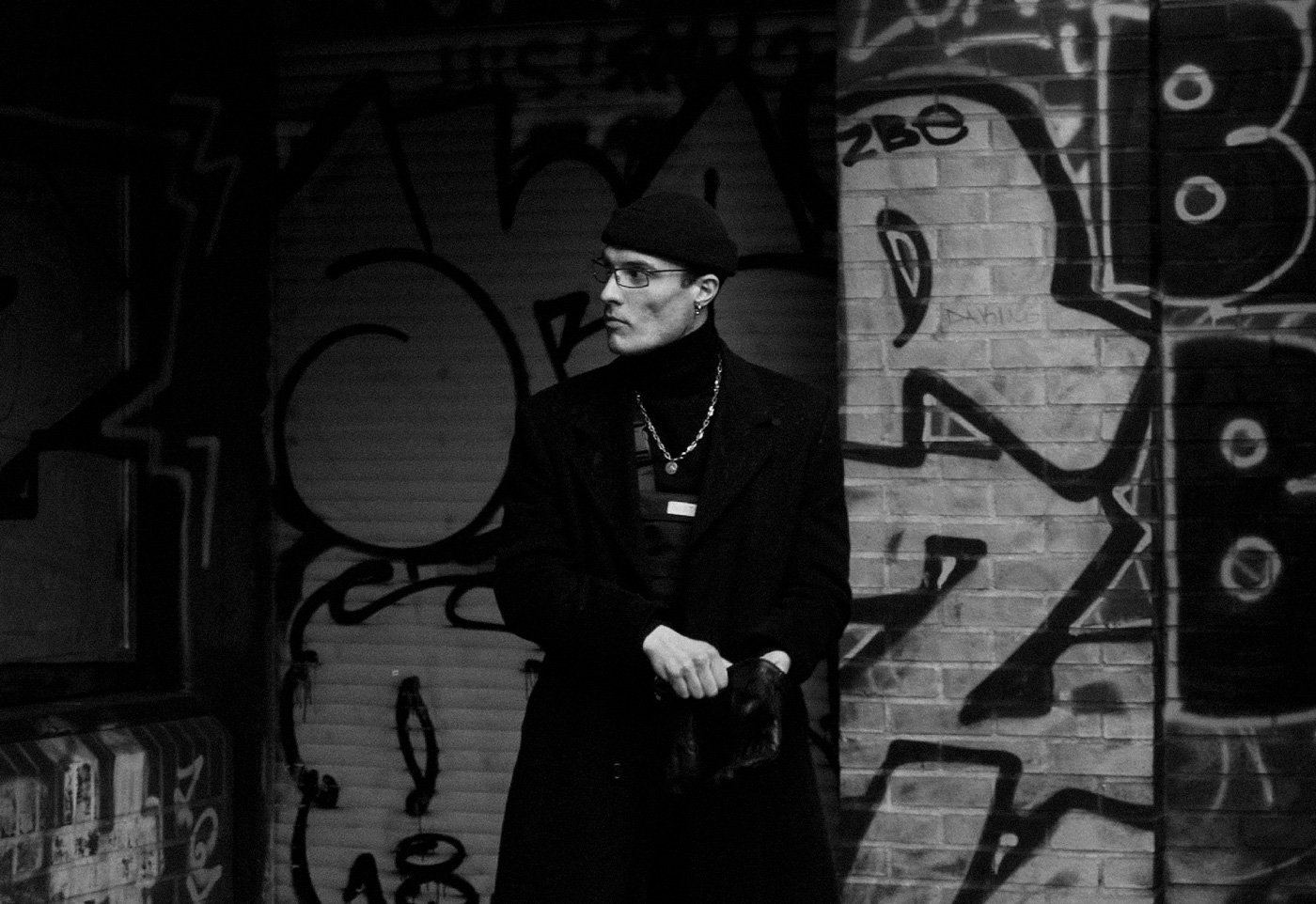
What was the first moment in your life that made you connect with music on a deeper level, before you decided to pursue it seriously?
Music has always been the DNA of my life, not just a career choice. I grew up in the unique environment of my parents’ disco events, where the soundscape was incredibly diverse. My mother was deeply connected to the soulful and rhythmic foundations of Chicago House and Detroit Techno, she taught me how to feel the ‘machine-like’ yet human soul of a drum pattern.
On the other hand, my father brought the raw, atmospheric power of Led Zeppelin and Black Sabbath. From him, I learned the importance of ‘the riff’ and the dark, heavy weight of a bassline.
For me, techno isn’t just about speed. It’s about capturing that same primal, shamanic energy I felt in those rock records and fusing it with the relentless, hypnotic groove of Detroit. This heritage allows me to see electronic music not as a sequence of sounds, but as a ritual, a continuation of a legacy that started on dancefloors and in stadiums long before I touched a synthesizer.
When did electronic music first catch your attention? Was there a specific track, artist, or moment that pulled you in?
Techno, house, and disco were the unconscious foundations of my life. The roots were planted by my mother and my godmother, who brought over cassettes with the latest grooves directly from Chicago.
But the definitive, conscious turning point happened later, during my first time at Berghain.
It was a Sunday morning, the time when the ‘true’ energy of the place emerges and it’s just the core community left. I caught the very beginning of a 4-hour set by Marcel Dettmann, and that was the exact moment everything shifted.
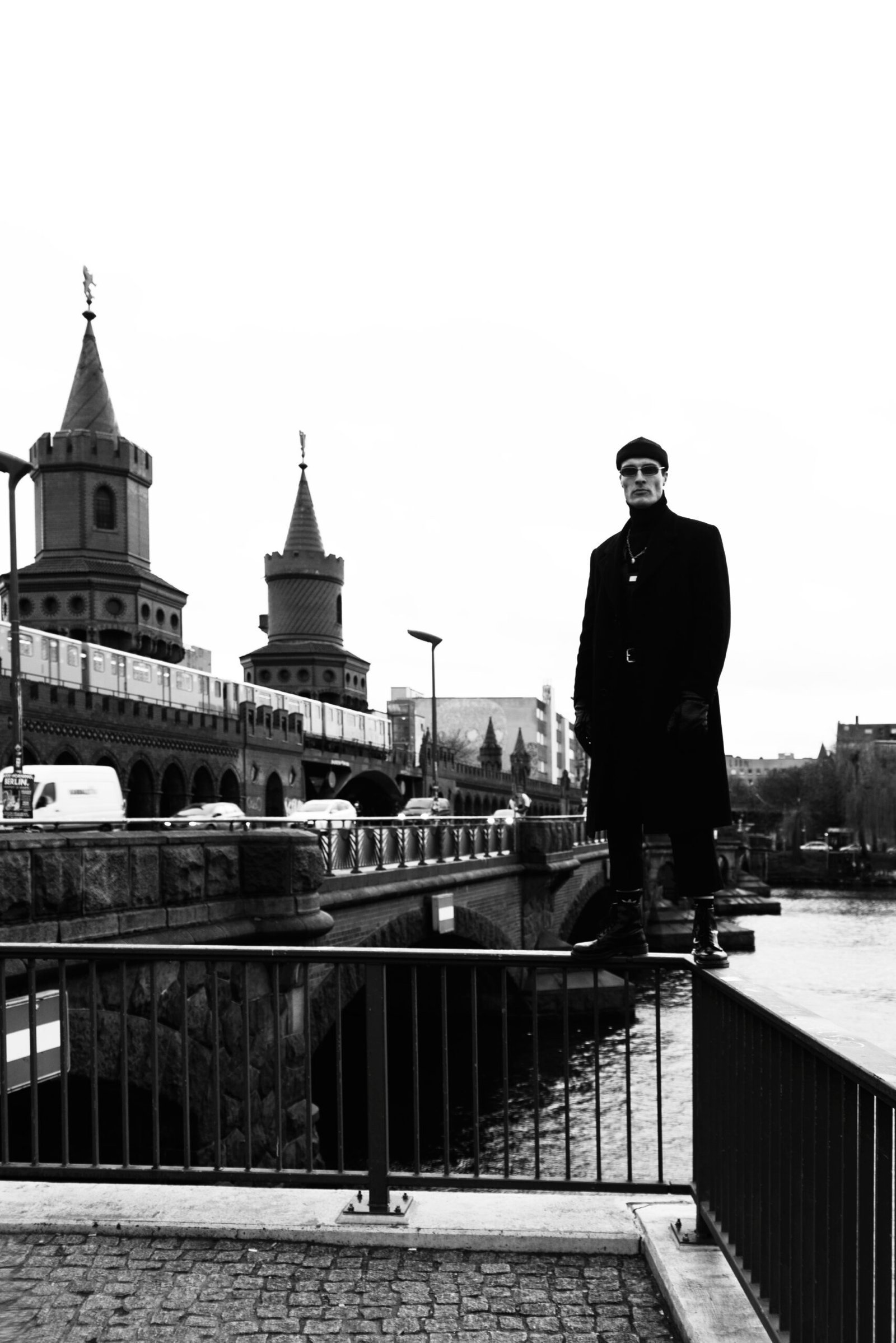
You previously released music as Arts Of Techno. What pushed you to transition into Michael Morra, and what changed creatively with that shift?
Arts Of Techno felt like a starting point, but my internal radar was telling me for a long time that I was outgrowing it. I felt a shift happening within my sound, and I knew it was time for a name that carried more weight and personal identity.
The final push happened when a label reached out, saying they loved my music but felt the name was too generic. That was the ‘click’ moment, it confirmed what I already intuitively felt. I didn’t want to hide behind a general title anymore; I wanted to step forward as Michael Morra.
Does the new alias represent a clearer vision, or was it more about starting from zero?
It’s about a much clearer vision, but I wouldn’t say my sound is final, it’s an ongoing evolution. Michael Morra is simply the moment I stopped hiding behind a generic name and started trusting my intuition. It’s not starting from zero. It’s about being more precise and honest with where I am right now, while leaving room for the sound to grow even further.
Your sound sits between deep atmosphere and raw drive, often described as hypnotic. What does that state mean to you in a techno context, and how do you approach building it?
It starts with internal silence. To build that hypnotic flow, I need a calm mind, free from clutter. But there’s another side: sometimes it’s crucial to be angry, to channel that raw, aggressive energy directly into the sound. The key is knowing how to control it. Everything begins from silence and must end with it, but the journey in between is about that tension between total stillness and fierce energy.
Do you think of your tracks more as tools for a space, or as standalone listening experiences?
I haven’t tested my tracks in a club environment yet, so I don’t know how they function as tools for a space. For now, my focus is entirely on the process of creation often ready to delete the very tracks that labels end up signing. The rest is for the listener to decide.
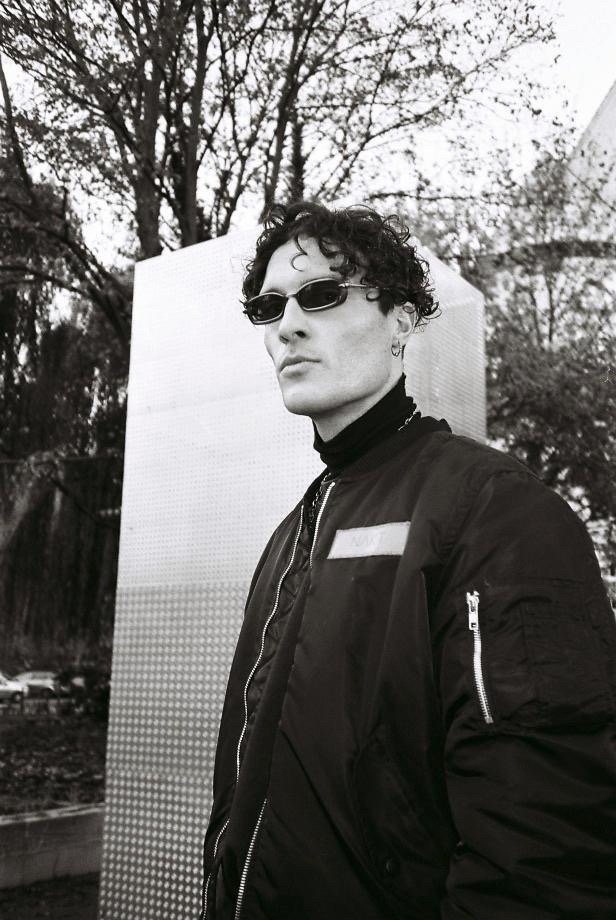
Your debut EP “ZERØ” on Plazma Records is about to be released. Looking back, what were the initial thoughts, ideas, or emotions that led to its creation?
ZERØ is about that point where everything begins and ends, it’s the state of internal silence I always look for. My main goal was to create something truly stylish: a raw, hypnotic flow that is as much about aesthetics as it is about energy.
It was an emotional process of stripping away the noise to find a clear, uncompromising vision. For me, ZERØ is the starting point where my intuition and sound finally aligned under the name Michael Morra.
The concept behind the EP touches on movement, stillness, and everything returning to zero — when did these themes start to take shape during the process?
These themes took shape exactly during the studio sessions. I realized that to create a truly hypnotic movement, I first had to find absolute internal stillness. For me, it’s a cycle: everything begins with silence and must eventually return to it.
The concept of ‘returning to zero’ emerged as I stripped away everything unnecessary to reach a more stylish, minimalist sound. It was about finding that balance where the drive is relentless, but the foundation remains calm. This EP is the zero point where my intuition and sound finally aligned.
You describe a tension between action and illusion — feeling like you’re moving, yet standing still. How did that paradox influence the way you approached the music itself?
This paradox is the core of my hypnotic sound. I wanted the listener to feel the relentless action of the rhythm, but at the same time, experience a sense of absolute stillness.
In the studio, I approached the music by focusing on subtle, evolving textures over a driving low-end. The goal was to create a ‘flight’ where the movement is so consistent and deep that it starts to feel like standing still in a void. It’s about that tension: the energy is pushing you forward, but the mind remains centered and calm. It’s not an illusion; it’s a state of pure, undisturbed flow.

What does your creative process look like — is it structured, or more intuitive and exploratory?
It is a seamless blend of all three. I build a structured technical foundation to ground the energy, then let intuition and exploration take over. It’s a disciplined search for a feeling that can’t be planned, a ‘flight’ that starts in silence and ends only when the atmosphere feels right.
How do you know when a track is finished, or do you ever reach that point?
I just know when it’s the end. There’s a specific moment in the studio where the atmosphere feels complete and any further change would break the tension. It’s an instinctive click, a point where the ‘flight’ settles, and I simply stop. I don’t overthink it. I just trust that internal radar.
You’re not coming from a DJ background, which is quite rare in techno. How has that shaped your path as a producer?
It gives me the absolute freedom to create exactly what I want to hear, here and now. Not being a DJ means I’m not chasing dancefloor trends or functional templates. My path is driven by my own internal radar, I focus on the sounds and atmospheres that resonate with me in the moment. It’s about being a creator first, building a sonic world that I personally want to inhabit.
Is performing something you see in your future, or do you prefer to stay focused on the studio?
I’d like to keep that as a mystery for now. My heart and soul are completely in the studio, where the process of creation is my primary focus. Whether that energy eventually translates into a performance is something only the future will show. For now, the music is the only voice I need.
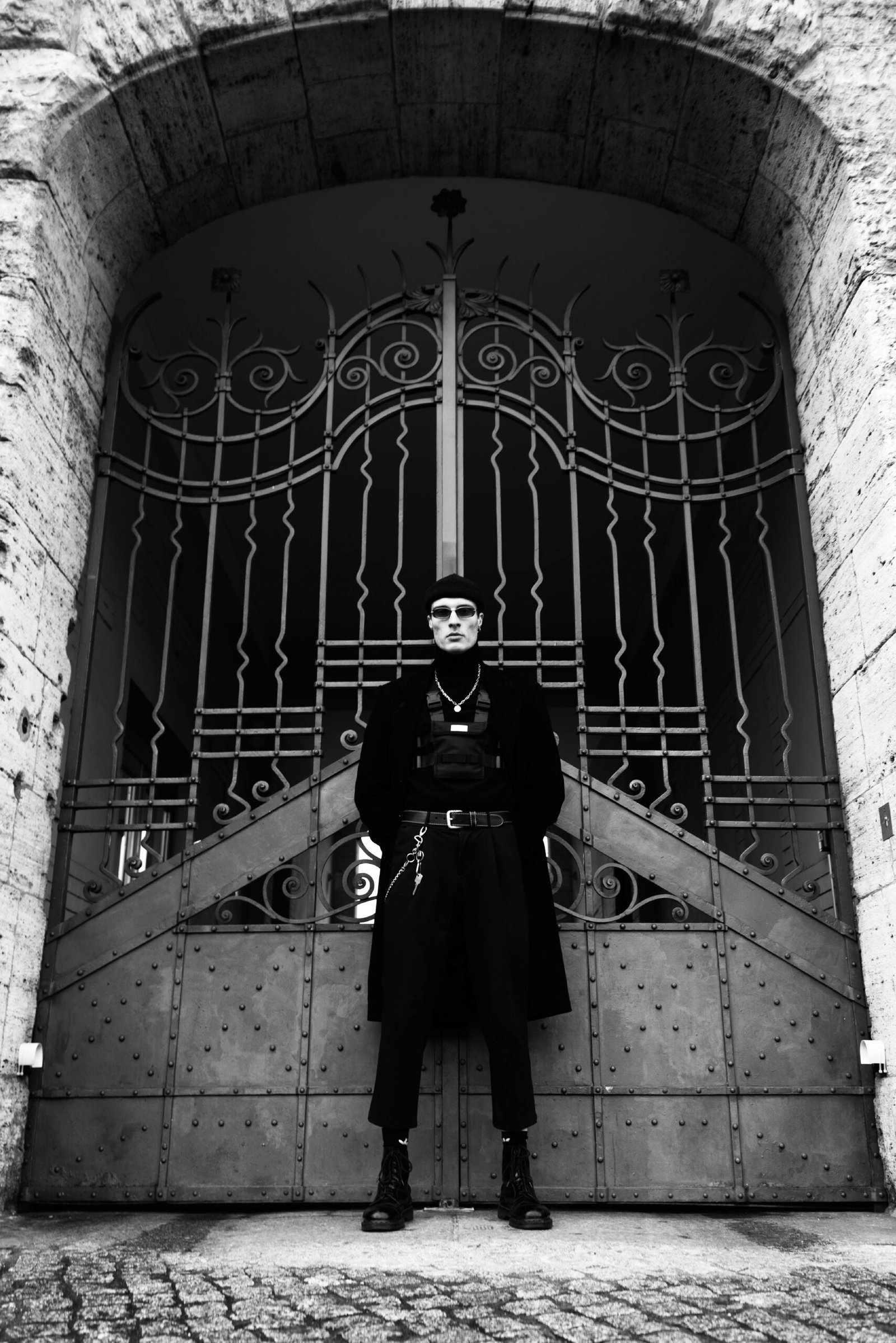
You’re originally from Ukraine but spend a lot of time abroad, especially in Berlin. How do these environments influence your sound and perspective?
It’s a balance between two different energies. Ukraine gave me the internal strength and discipline to build my own path, while Berlin provides the freedom and the scale to see where that path can lead.
My perspective is shaped by this contrast: the raw, uncompromising spirit of my roots and the deep, minimalist atmosphere of the global techno scene. These environments don’t just influence my sound, they push me to stay authentic and focused on what I want to hear, regardless of where I am.
Without going too far into it, has the situation in Ukraine affected the way you approach music or your direction as an artist?
Yes, the situation in Ukraine fundamentally changed everything. It forced me to face a truly uncompromising question, and now I have a clear, definitive answer. I know exactly who I am, where I come from, and where I’m going.
This clarity has stripped away any hesitation in my music. My direction is no longer about ‘trying’ things out, it’s about a focused, relentless path. The reality I’ve faced has made my sound more raw and my vision more absolute. There is no room for compromise anymore.
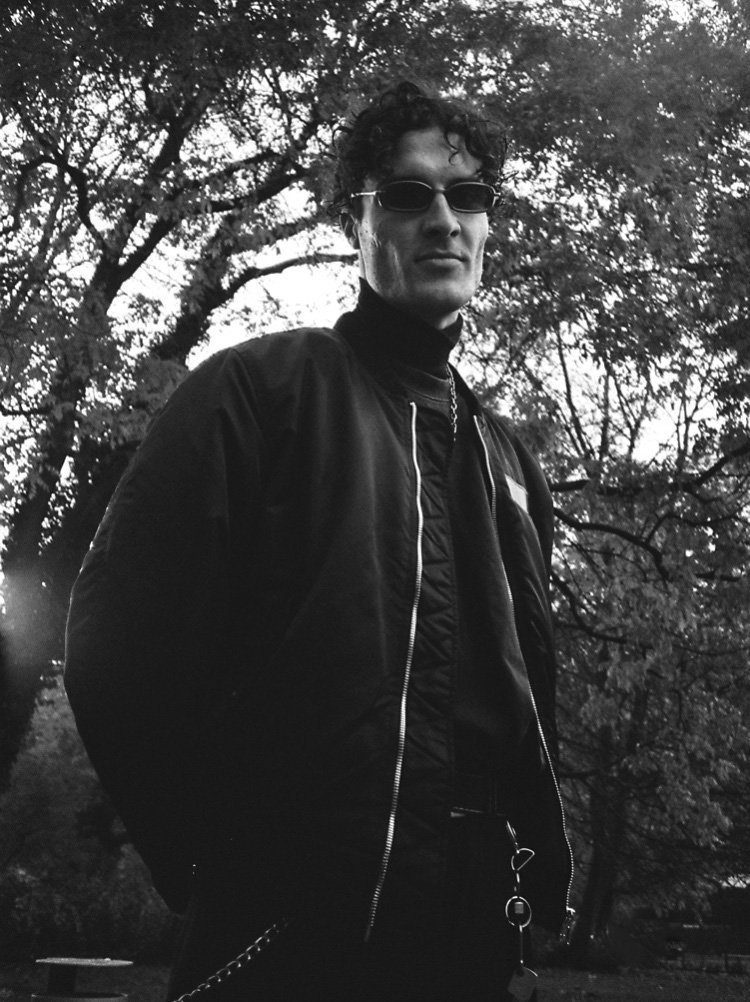
You’ve also been involved in modeling, including features in Kaltblut Magazine. How did that come about, and does it connect in any way to your artistic identity?
For me, music and visual expression (like modeling for Kaltblut) are just two sides of the same coin.
I see techno and modeling as something that exists outside the conventional norms of the world. For me, these two arts intersect to create a style that stays beyond the boundaries of time. It’s not about following trends, but about a deep, visual and sonic manifestation of the same dark aesthetic. My appearance in Kaltblut and my tracks are just different frequencies of the same vision.
Do you think success in electronic music is more about talent, discipline, or positioning?
It’s a synergy of all three, but discipline and positioning are what make talent sustainable. Talent is just the starting point, the raw material. Discipline is the “studio grind” that allows you to find your unique sound and reach that point of “internal silence”.
However, positioning is about style and authenticity. It’s how you communicate your vision to the world without compromising. Success happens when you stop chasing trends and start building your own uncompromising world. For me, it’s about staying true to what I want to hear, here and now.
Looking ahead, what direction do you see your sound evolving in, and what’s next for Michael Morra?
The direction is a deeper dive into the hypnotic and the absolute. I want to push my sound toward a more relentless, driving energy while keeping the atmosphere raw and minimalist.
As for what’s next for Michael Morra, the focus remains in the studio. The path is clear, and for me, it’s only just beginning.