

Valais Social didn’t start with a business plan or a brand deck. It started with a feeling — the kind you get when the right music meets the right people in the right room. Founded by Lithuanian-born Karolis Leonavicius and Gediminas a.k.a Oscar Zillini in the heart of the Swiss Alps, Valais Social has quietly grown into one of the most authentic underground electronic music collectives in the region.
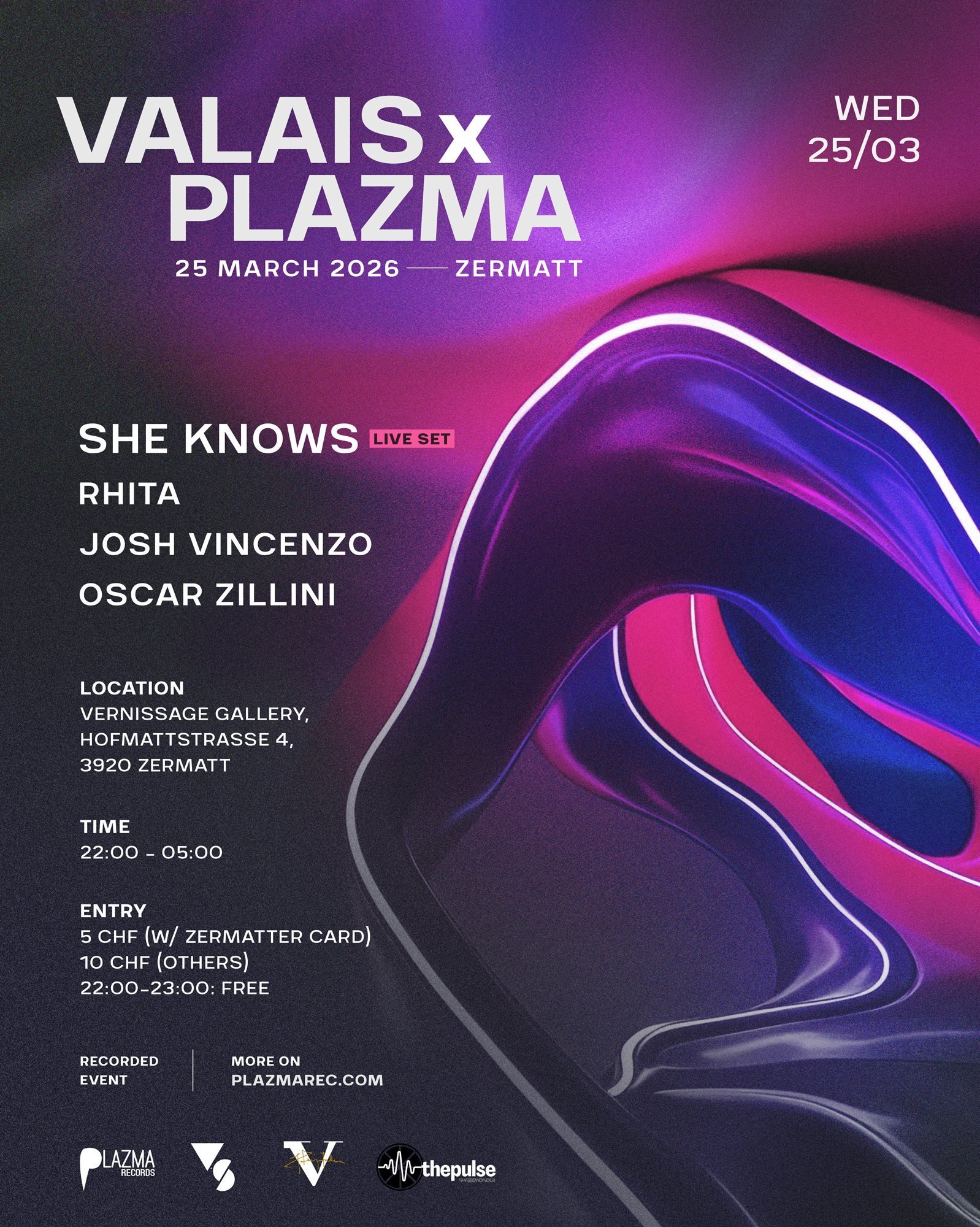
On the 25th of March 2026, Valais Social and Plazma Records return to Zermatt for a one-day, two-location event shaped by the same philosophy that brought us here years ago: focused sound, thoughtful spaces, and music that speaks for itself. The difference now is perspective — clearer vision, refined taste, and a deeper understanding of what we want to share. This is not a reboot. It’s a continuation. Ahead of the Valais Social’s first event in 2026, we sat down with both founders to discuss how it began, what keeps it going, and why the mountains changed everything.
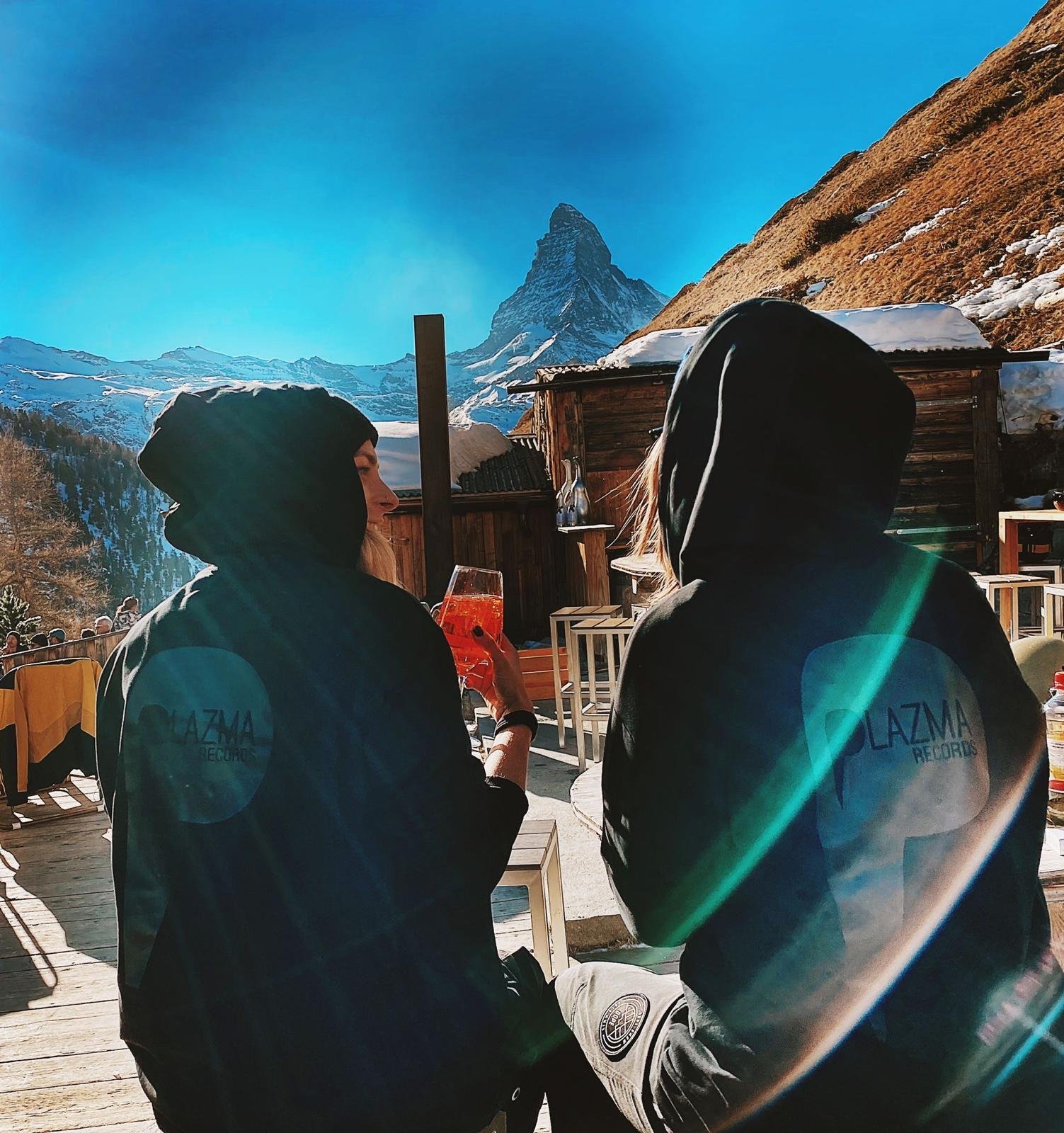
You’re Lithuanian, Karolis — what brought you to Switzerland, and specifically to Valais?
Karolis: “To be honest, Switzerland was never part of my plan — out of all the countries, I wouldn’t have expected to end up here. Life just took me in that direction through my ex, who is Swiss, and I spent some time living in Bern, really enjoying that chapter. When the relationship ended, I was actually very close to leaving the country altogether. But friends told me something that stayed with me: *’Don’t leave before you see the mountains.’* So I followed that advice, and it led me to Zermatt and Hotel Cervo — and that changed everything. I spent four incredible years there, and Valais immediately felt different: raw, powerful, but also deeply social and alive. It’s hard to put into words, but that’s where I really grew, where I met amazing people, and where a new version of me was born — what I like to call my ‘Valais social baby.’ Love may have brought me to Switzerland, but the mountains and the energy of Valais are what made me stay.”
What was your relationship with music and culture before Valais Social?
Karolis: “To be completely honest, I wouldn’t say I had a deep or technical understanding of music and culture before Valais Social — it was always more about feeling than knowledge. I’ve just always loved a good rave. Back in the days, that was something my friends pulled me into, and it quickly became a place where I felt something real. I still remember my first time going into a club — standing there with my older friend, ID shaking in front of the bouncer, then finally getting in and being hit by the music, the energy, the people just fully letting go. That moment stayed with me. From then on, it was never about analysing music, it was about experiencing it — that raw, underground atmosphere where everything feels a bit more alive.”
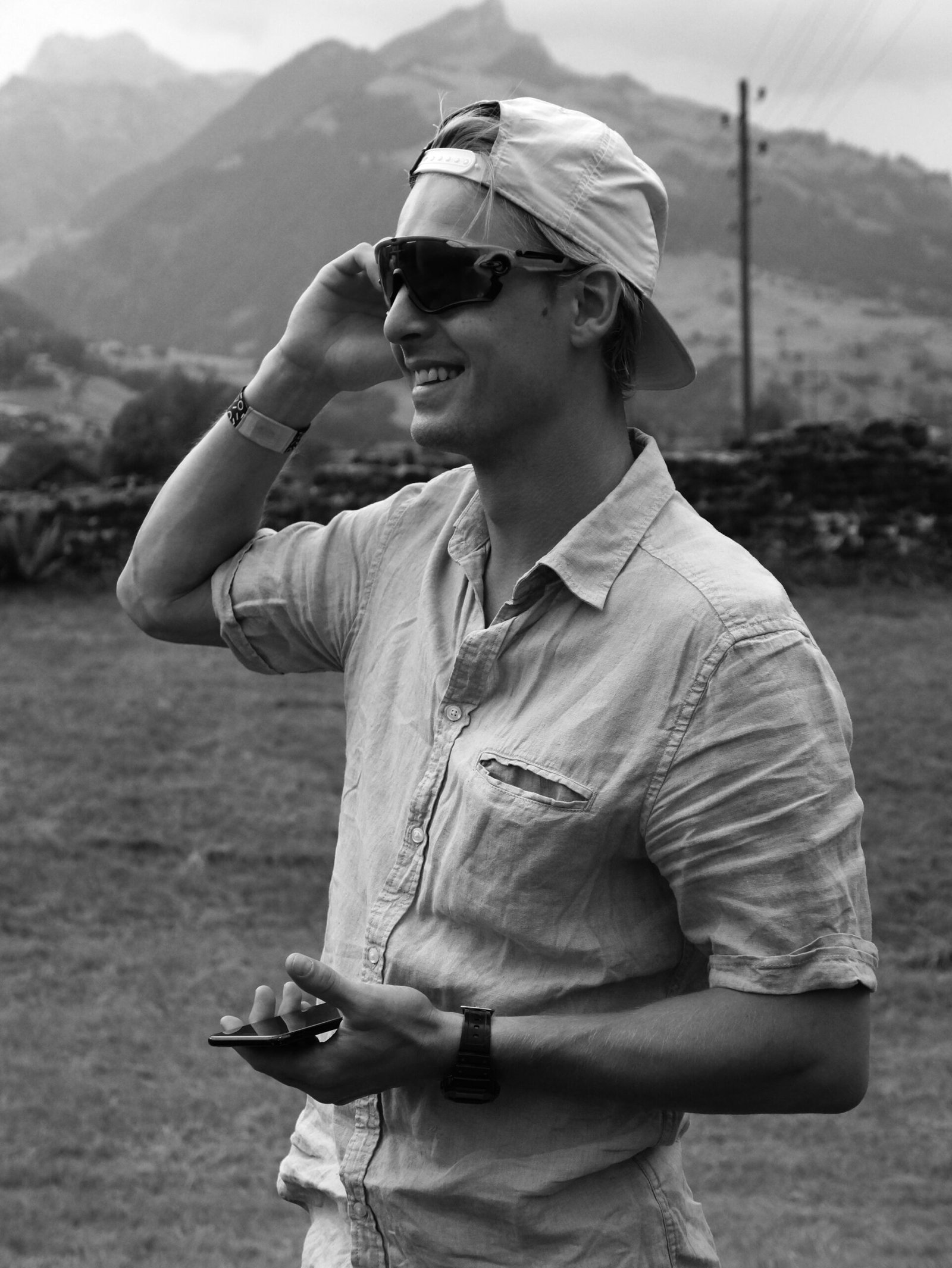
Where did the idea come from? Was there a specific moment it clicked?
Karolis: “It all started when I had already been living in Zermatt for about two years. At some point, I got a bit tired of the typical apres-ski, almost ‘YMCA’ kind of vibe — I was really missing a proper rave, something more raw and underground. There were still some good parties, and a few local DJs definitely inspired me, but I felt like there was space for something different. So we started small — the first ‘Minimal Monday,’ then a few more nights followed. It grew naturally. I think the real moment it clicked was after we had already done a couple of events and realised this wasn’t just random parties anymore — it needed a name, a label, a platform to connect people. Around that time, we threw a summer party in Tasch, in this small fishing house — the energy there was something special, people really felt it. I think that was the moment when Valais Social truly became an idea.”
What did the very first events look like, and who was involved?
Karolis: “The very first events were honestly a blast — something Zermatt hadn’t really seen before. You have to imagine this small, hidden, soundproof room inside a five-star hotel, entered through an almost secret door. Half of it felt like a wine cellar, the other half like a gin bar, with a marble table in the centre that later turned into the DJ booth. It was tight — maybe 120 people packed close together, moving under red light, completely locked into the moment. It was a beautiful kind of chaos, and no one expected that many people to show up. But that was the first real sign: the community was ready, they were craving this raw, underground energy. From the beginning, it was never just about me — it was a collective effort. People like Oscar Zillini, Nenad Omen, Josh Vincenzo, Daniela Da Silva, and many others played key roles, along with the incredible team at Hotel Cervo, who supported it from behind the scenes. That first phase was pure energy, and we’re still grateful for everyone who was part of it.”
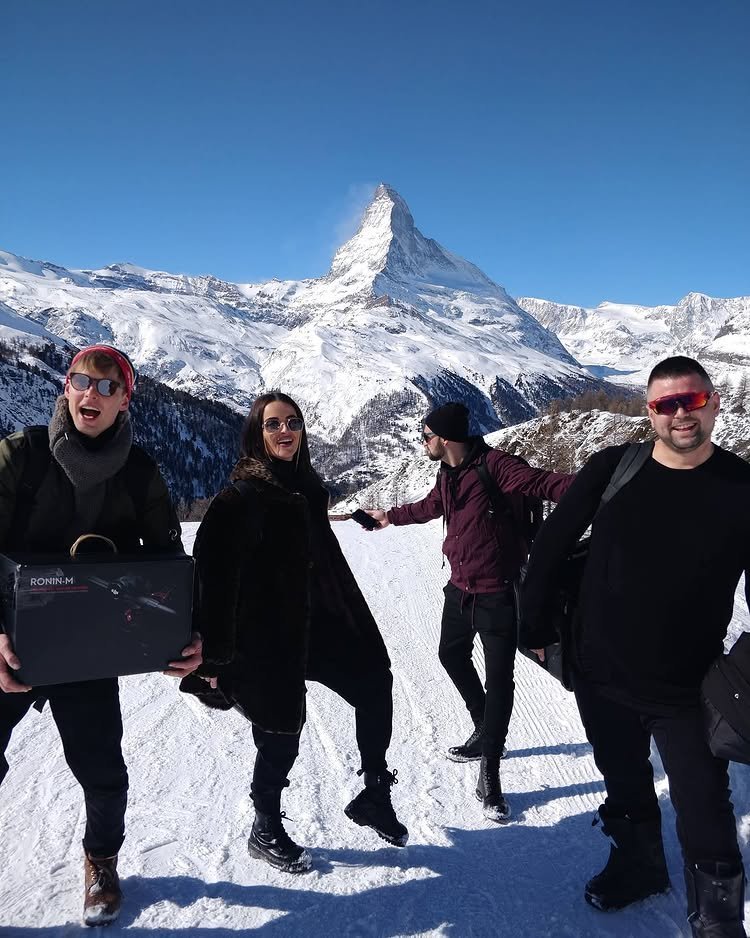
How did people in Valais respond in the beginning?
Karolis: “The response in the beginning was honestly overwhelming — every event was sold out, and sometimes we even had to stop people at the door, which was tough to see. But it also showed us how much this was needed. People really connected with it. It wasn’t just about partying — it created a community of like-minded people who understood why they were there. The energy was always right: open, respectful, and full of good feelings. You could feel that everyone came for the same reason — to experience something real together. And I have to say, I’m genuinely proud of the crowd that formed around it.”
Oscar is a co-founder — how did that partnership come together?
Karolis: “Oscar Zillini is a co-founder and a key figure in Valais Social — without him, we wouldn’t be where we are today. Our partnership actually came together very naturally; we met at just the right moment during a friend’s stag party, where we started exchanging ideas and quickly realised that combining our strengths just made sense. He’s the mastermind behind the sound and audiovisual side, a DJ and record label manager with a deep understanding of the technical and creative aspects, while I had the space and a strong drive to create something new. It was one of those rare situations where everything aligned — the vision, the timing, and the energy — and it just worked.”
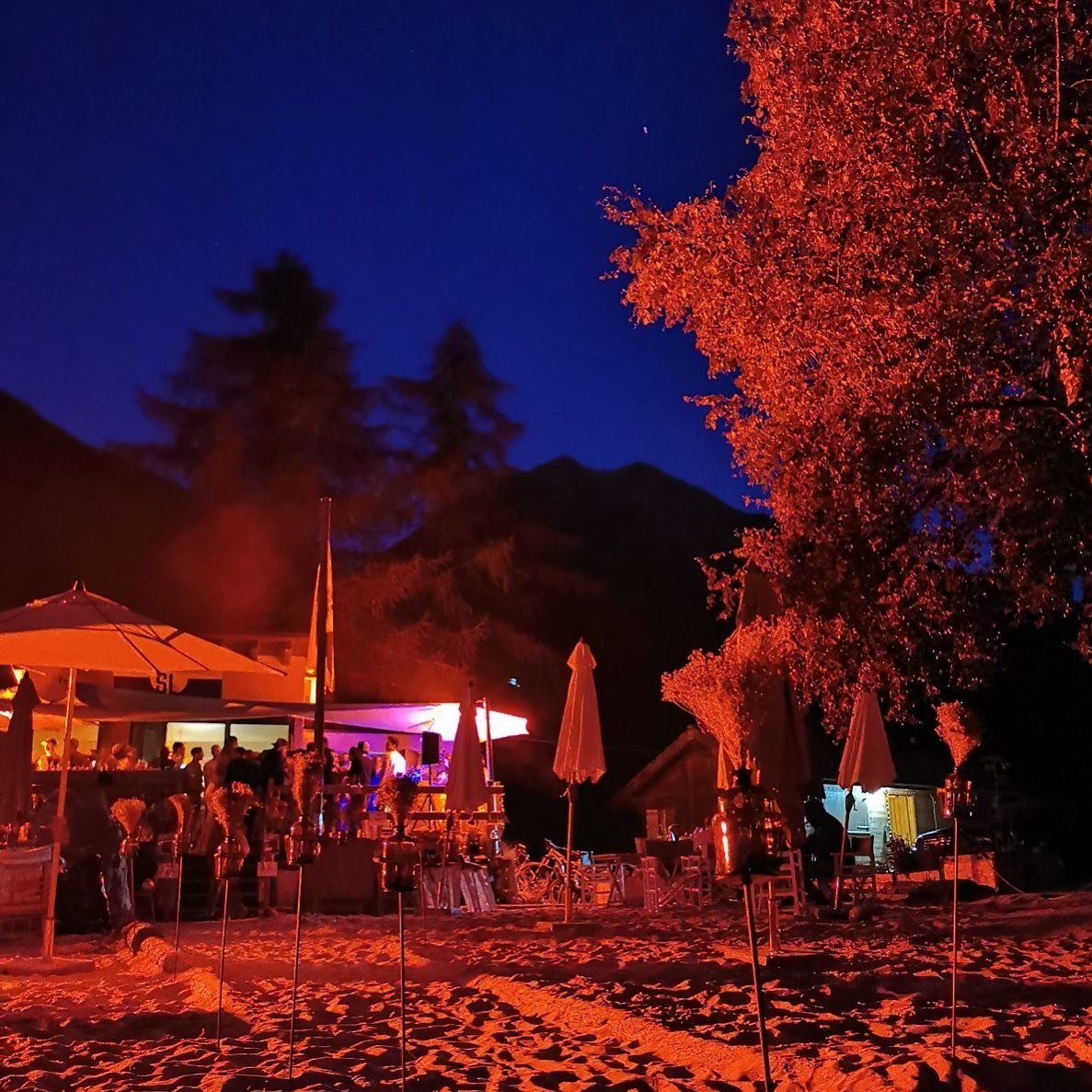
Valais isn’t an obvious place for underground electronic music. Did the geography ever work against you?
Karolis: “Honestly, the geography never worked against us — if anything, it was part of the magic. We were already there, in the middle of it, and that made it real. For both the crowd and the artists, coming to a place surrounded by such extreme natural beauty actually became a huge plus. It gave the whole experience a different intensity — not just another party, but something more immersive. Of course, now that we’re not based in Zermatt anymore, it can be a bit more challenging logistically, but I don’t see that as a limitation. We’ll always find a way — that’s part of the spirit of Valais Social.”
Who is the Valais Social audience — who actually shows up, and has that changed over time?
Karolis: “Valais Social was always built for the people around us — friends, colleagues, locals — and that naturally attracted the right crowd. It wasn’t something heavily marketed or forced; it grew organically through people who shared the same taste in music and the same mindset. Most of the audience came from Zermatt and the surrounding area, people who were already part of that environment and looking for something more underground and authentic. And honestly, that hasn’t really changed. The core has stayed the same — it’s still about like-minded people coming together for the music and the feeling.”
Is Valais Social a one-person vision, or does it have a team around it now?
Karolis: “It may have started as one person’s vision, but very quickly it became something bigger. The right people came together — like-minded individuals who shared the same energy and belief in what we were creating. From early on, it turned into a collective effort, with everyone contributing their own strengths and ideas. Today, Valais Social is definitely not a one-man project — it’s a team, built on shared vision, trust, and passion.”
How do you fund and sustain it? Is it self-sufficient?
Karolis: “I still look at Valais Social as an expensive hobby in many ways — something you invest a lot of time, energy, and money into. It’s not just about throwing events; it’s about constantly learning, refining your taste, and understanding the culture more deeply. We’ve always been willing to put that in, because we believe in it. At the same time, if you stay consistent and move smart, there’s definitely a path for it to become self-sufficient. We’re building it step by step, with a long-term vision rather than quick wins.”
Have there been moments when you considered stopping? What kept you going?
Karolis: “I wouldn’t say we ever seriously considered stopping — it was more of a pause, especially after we moved away from Zermatt. But the idea never really left. What kept us going was the community we built, the memories, and the feeling those nights created. Once you experience that kind of connection — people coming together, sharing the same energy — it stays with you. That’s something you don’t just walk away from, it keeps pulling you back.”
What has been the hardest lesson in running an independent music project in this region?
Karolis: “There were definitely many surprises along the way — some unexpected, some tough, even a bit painful at times, especially when you’re still young and learning as you go. But for me, the hardest lesson was keeping the team together and moving in one direction. When you have strong personalities, creative ideas, and different expectations, alignment doesn’t just happen — it takes constant communication and trust. That was something we had to learn the hard way. But in the end, those challenges became some of the most valuable lessons we could have had.”
What has changed the most since the early days — in the project and in yourselves?
Karolis: “In the early days, jumping into the unknown felt much easier — there was less fear, more instinct, and a kind of charm in just going for it without overthinking. We would dive into things blindly, and somehow it worked out. Over time, that’s definitely changed. Now there’s more awareness, more structure — doing research, planning ahead, thinking through different scenarios. It’s less about blindly jumping into waterfalls and more about understanding where you’re landing. But that shift also comes with experience — you lose a bit of that naive freedom, but you gain clarity and direction.”
How would you describe Valais Social to someone who has never been to one of your events?
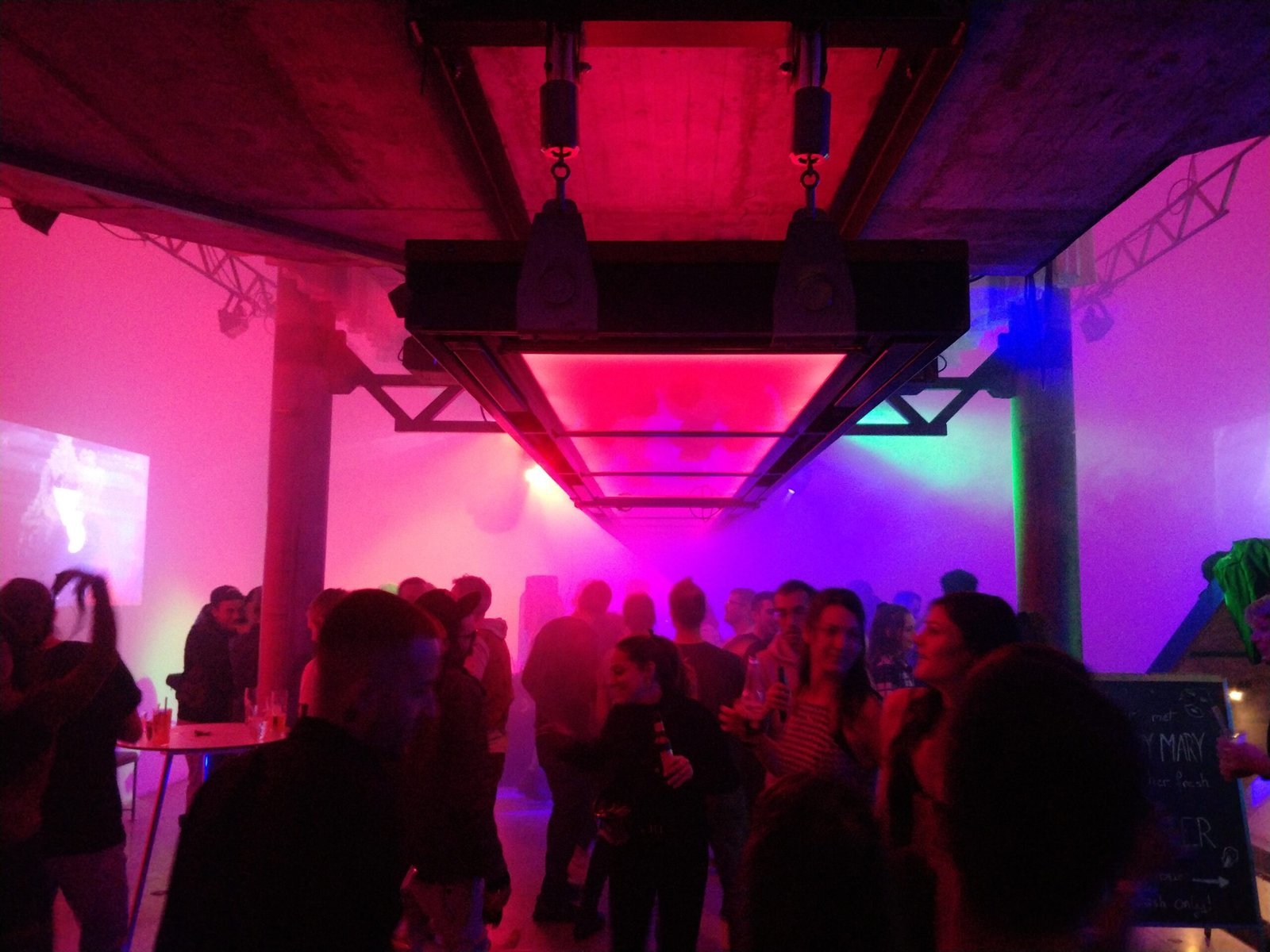
Karolis: “Describing Valais Social is a bit like talking about a car you love — you can say it’s fast, that it looks good, that everything about it feels right, but in the end, you really have to experience it yourself. From the outside, it might seem quite low-key, not too flashy or obvious. But once you’re inside, it’s a different story — the energy is powerful, the atmosphere is intense, and at the same time there’s this warm, almost cozy feeling… with that signature red glow. It’s something you don’t just see, you feel.”
What does “community” actually mean to you — and how do you build it intentionally?
Karolis: “Community is everything for me. I wouldn’t even say we built it intentionally — it happened naturally, which makes it even more special. The right people came together, enjoyed the same energy, and started connecting with each other beyond the events. It created a space where people felt comfortable, open, and understood — almost like a safe haven for a good time. That’s what makes it real: it’s not forced, it grows on its own through shared experiences and trust.”
How do you approach artist curation — what are you looking for?
Karolis: “My approach to artist curation is actually very simple and very human — I welcome them with my heart. It’s not just about booking a name, it’s about creating an experience. I give them a clean, comfortable space, show them the Matterhorn, treat them with great food, respect, and care — like they’re kings and queens. For me, it’s about their feeling as much as the crowd’s. I love to see their reaction, that genuine ‘wow’ moment when everything comes together. That energy always translates into the music, and that’s what I’m really looking for.”
Tell us about Minimal Mondays — how did that project start?
Karolis: “To really answer that, you have to imagine Hotel Cervo back when I was working there — especially this magical little room with a wine cellar and a gin bar, hidden away from everything else. The owner used to host these wild rock’n’roll Sundays, full of energy, stage dives, and a kind of freedom that really stayed with me. That atmosphere inspired me a lot. At some point, the idea came naturally: to create something of our own — a night for staff, friends, and locals, but with a more minimal, underground sound. That’s how Minimal Mondays were born. And a big part of making it happen was the trust we were given — so a lot of gratitude to Daniel and Lukas for believing in us and allowing us to create these parties.”
Why Mondays? What was the thinking behind that choice?
Karolis: “Why Mondays? Simple — because that’s when the people around us actually had time. In Zermatt, most people work in hospitality, and Mondays are often their only day off. I wanted my friends, colleagues, and the whole gastro community to be able to enjoy something properly, without worrying about work the next morning. That was the whole beauty of it. In a way, it was about extending the weekend — creating one more moment to let go. And at the same time, we wanted to prove a point: that a real party on a Monday is not only possible, but can be something special.”
Who was coming — locals, seasonal workers, tourists?
Karolis: “The crowd was a mix — mostly locals and seasonal workers, but also some tourists who were curious and asking around for something real. If they asked the right people, they usually ended up at our parties. Still, the priority was always the local faces — the people who were part of that everyday life in Zermatt. That’s what made it special. It felt less like a typical event and more like a unique community gathering, where everyone was there for the same reason.”
View this post on Instagram
What did Minimal Mondays teach you about what people in Zermatt actually want from a night out?
Karolis: “Minimal Mondays showed me that it really comes down to a few key things: the right music, the right people, and the right environment. It’s not about something big or flashy — people in Zermatt were looking for a specific sound, a crowd they could connect with, and a space that felt both cozy and free at the same time. Somewhere you feel safe, comfortable, and able to truly let go. When those elements come together, that’s when people have a genuinely good time.”
Is Minimal Mondays still running, or is it on pause?
Karolis: “At the moment, Minimal Mondays is on pause. As soon as we get our feet back in Zermatt, we’re definitely going to try to bring the legend back.”
How does Minimal Mondays relate to Valais Social — are they separate projects, or part of the same vision?
Karolis: “Valais Social is the label that takes care of many things — artist showcases, exchanges, exhibitions, gatherings, events — and Minimal Mondays is one of those events, one branch. It fills the gap, extends the weekend, and gives people that missing part of the scene.”
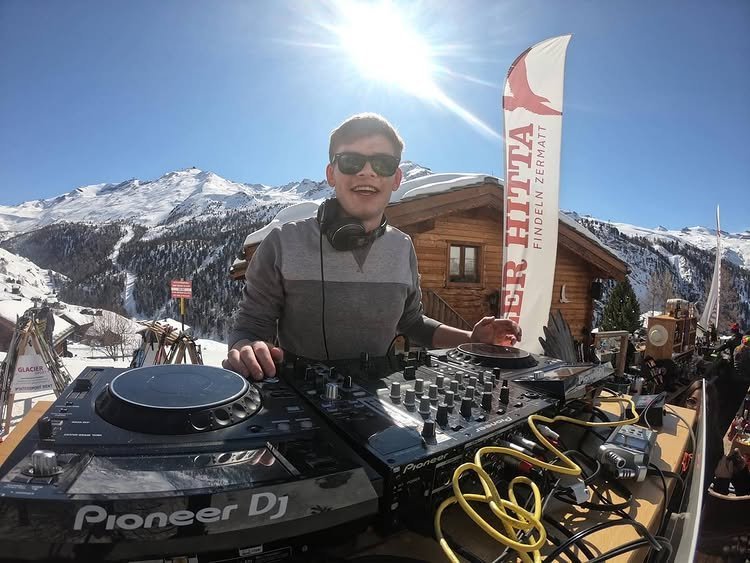
What is the music culture in Zermatt actually like — what exists beyond tourism and apres-ski?
Oscar: “To my surprise, techno had never existed in Zermatt. Within the first event Plazma Records put on, we gathered massive attention and a large number of visitors. We did four episodes — events like Test Command — and I believe that through those, we managed to plant a seed of electronic music culture. The most effective thing I remember was that we had *attitude control* instead of face control on the door. Years later, I had the pleasure to play a gig in Zermatt, and afterwards one of my friends — who had still been living there at the time — came up to me and said: *’This is the moment I felt when Valais Social left, because we moved to Zurich and the culture disappeared.’* So we’re here to bring it back. But in general, it comes down to this: venues, like it or not, adapt to the mass and to the requests of the paying guest. Over time, the more they do it, the more they get used to it, and it becomes an easy moneymaker shortcut.”
Is there an appetite in Zermatt for something deeper than what typical nightlife offers?
Oscar: “I think that appetite exists everywhere. There is always a niche for something deeper than typical nightlife. It’s up to the promoters, the organisers, and the artists representing them to go the extra mile — to find more ways to surprise guests, more ways to express yourself in ways that feel new, or that people have forgotten they once knew.”
Do you see a long-term scene forming there, or does it remain event by event?
Oscar: “If there is somebody committing to maintaining a healthy, diverse scene in Zermatt, there will always be a need for it and interest in it. It’s just about commitment. Underground things don’t come easy.”
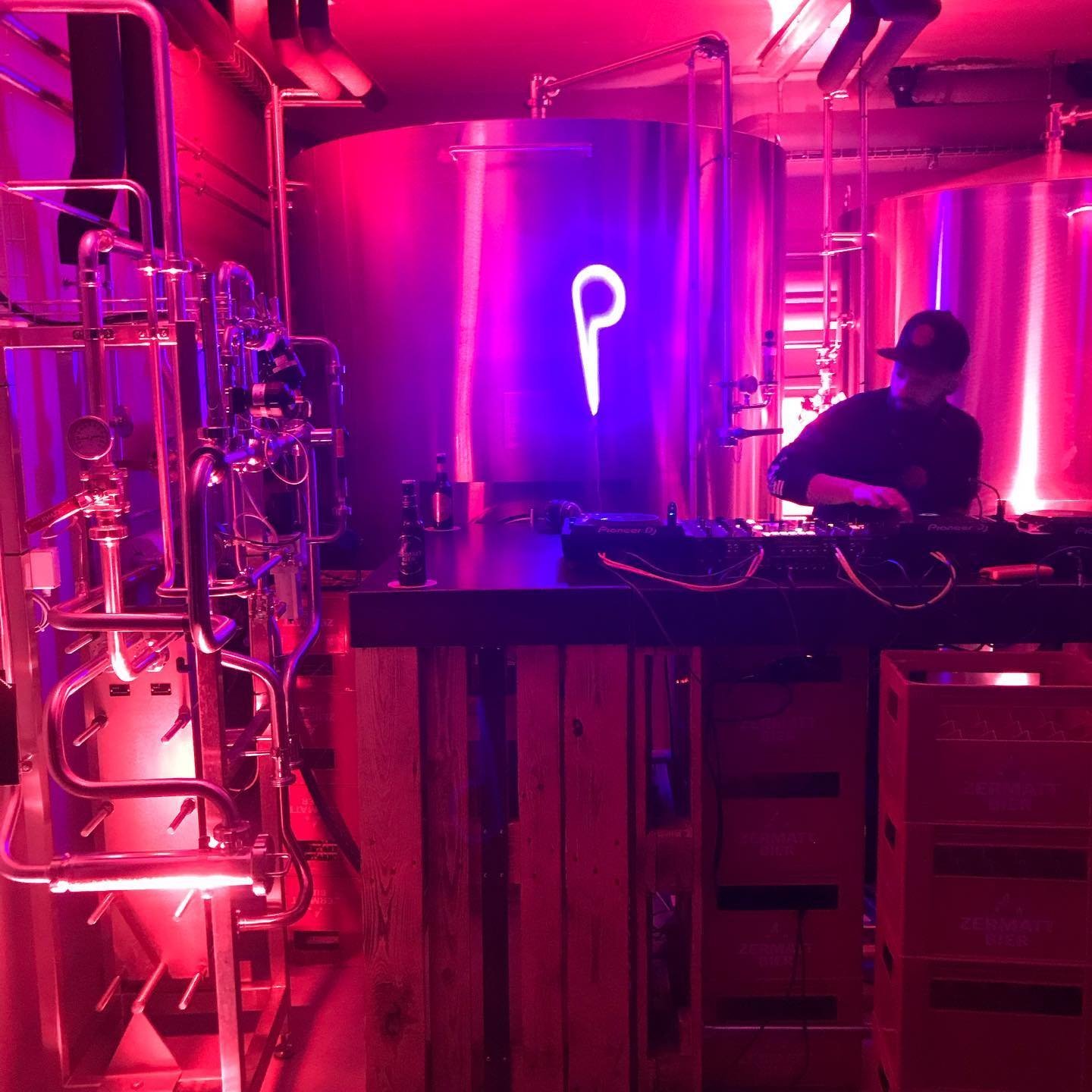
Why Zermatt for this event? What does this location give you that others don’t?
Oscar: “Zermatt is where it all started for me and Karolis — my personal Swiss life and my musical journey here. I wanted to bring She Knows, and I wanted something special, because her music is very special to me. I’m personally a fan. I thought there would be no better place than Blauherd and Vernissage in Zermatt. And then everything aligned — the dates, the artists were all available on my birthday.”
She Knows has been away from music and the arts for two years. What made this the right moment to bring her back — and why here?
Oscar: “Simply put — I was listening to music, and Spotify surfaced her to me. I heard a song, pulled up her profile, saw She Knows, and dove deeper — SoundCloud, everywhere. I listened to her entire discography, every album, everything she had. I fell in love immediately. The next day, I messaged her on Instagram: *’Hi, I’m Oscar Zillini, and I want to bring you here.’* The day after that, we had a call. She is an amazing person — I think we immediately connected on a higher frequency. Everything fell into place naturally. This will be the first event she plays outside after the gap, and she’s very, very excited. She’s in.”
The event runs across two locations — the mountain terrace at 2,500m in the afternoon, then Vernissage at night. How did that two-part format come together?
Oscar: “We’ve always had this combined format since around 2020–2022. I believe our first event was on March 8th, at Blauherd and then Cervo. We thought if we come back, we come back properly. The days up here are beautiful, and I personally believe Teresa’s music — She Knows’ real name is Teresa — her original live performance will match the environment of Blauherd more than anyone can imagine, myself included. At night, that’s where the Valais Social and Plazma Records signature comes out — the Vernissage gallery, where Karolis was actually the first to initiate events. We’re returning there with She Knows for a live hybrid performance to headline the night, followed by myself, Josh Vincenzo — our long-standing resident and friend — and Rhita, who is freshly new to the Plazma family. This two-location format has always been our signature.”
What do you want people to feel by the end of March 25th?
Oscar: “This brings everything back — to the question about culture in Zermatt, music, and what typical nightlife offers. I want people to feel that as long as someone *wants* it and *prioritises* it, new things, cool things, interesting things — new music, different music — can be established in a matter of moments and wishes. I hope to earn more motivation and support from dancers, listeners, and music enthusiasts. But that’s not enough. We need the businesses and venue owners to also step in, to take a little risk, and to help maintain a flourishing electronic music scene.”
Where do you see Valais Social in five years — and is there anything about this project that hasn’t been told or properly understood yet?
Oscar: “We have a lot of ideas, a lot of wishes about what we could do, and the ability to do it. But as I said, we cannot be in this alone. Everything ultimately comes down to funds. Within five years, we are looking to be a recognised event brand in Zermatt and across Switzerland — with leading music ideas and out-of-the-box, out-of-the-format event deliveries. Not necessarily cutting-edge spots, but truly cutting-edge experiences and the philosophy behind them. We’ll see. We always have to plan, and we always have to create.”
